Sustainable Data Centers
Sustainable Data Centers: A Case Study
Overview
In the face of rising energy demands, a global technology company sought to reduce the environmental impact of its data centers while maintaining high-performance standards. With facilities spanning multiple continents, their operations consumed significant energy, contributing to escalating costs and carbon emissions. This case study explores how they transformed their data center sustainability using innovative solutions.
Challenges
The company faced several challenges in its quest for sustainability:
- High Energy Consumption:
Their data centers collectively consumed over 500 GWh annually, primarily due to inefficient cooling systems and outdated hardware.
- Regulatory Pressures:
Growing environmental regulations required the company to significantly reduce its carbon footprint or face penalties.
- Operational Inefficiencies:
Inconsistent energy management practices across locations led to wasted resources and unoptimized energy use.
Solutions Implemented
To address these issues, the company partnered with an energy management platform and adopted the following strategies:
1. Integration of Renewable Energy
The company transitioned to renewable energy sources, such as:
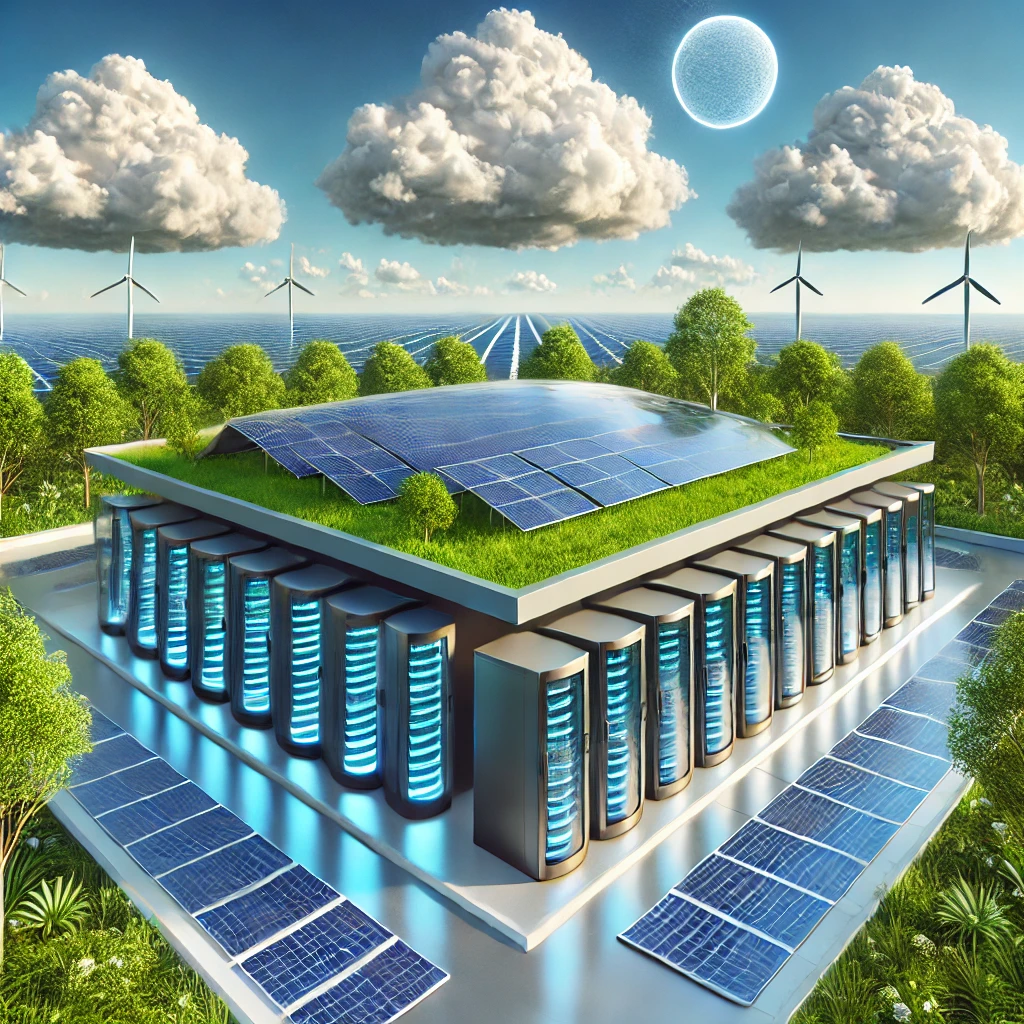
• Solar Power: Installed rooftop solar panels on three major data center facilities, generating over 50 MW annually.
• Wind Power: Partnered with a local wind farm to source clean energy for its operations.
2. Advanced Cooling Technologies
To reduce cooling costs, they implemented:
• Liquid Cooling Systems: Significantly lowered server temperatures while using less energy compared to traditional air cooling.
• Free Cooling: Utilized natural air during cooler months, reducing dependence on mechanical cooling systems.
3. Energy-Efficient Hardware
The company replaced outdated servers with energy-efficient models that offered higher processing power while consuming 40% less energy.
4. AI-Powered Energy Management
An AI-driven platform was deployed to:
• Monitor real-time energy usage across all facilities.
• Identify inefficiencies and recommend adjustments.
• Predict peak loads and optimize power allocation.
Results
The implementation of these solutions led to remarkable improvements:
• Energy Savings: Annual energy consumption dropped by 30%, saving the company over $20 million.
• Carbon Reduction: The transition to renewable energy and efficient practices reduced carbon emissions by 45%.
• Operational Excellence: The AI-powered management system enabled consistent energy usage tracking and improved overall efficiency.
• Compliance Achieved: The company met global sustainability regulations, enhancing its reputation as an environmentally responsible organization.
Key Learnings
- Data-Driven Decisions Are Crucial:
Real-time energy monitoring provided actionable insights, ensuring targeted and effective changes.
- Collaboration with Experts Matters:
Partnering with renewable energy providers and technology experts accelerated their transition to sustainability.
- Sustainability is Profitable:
The cost savings from energy efficiency measures not only offset initial investments but also boosted profitability.
Conclusion
This case study highlights how strategic investments in renewable energy, innovative cooling solutions, and AI-driven management can transform data centers into sustainable powerhouses. By addressing energy inefficiencies and prioritizing environmental responsibility, the company achieved long-term operational and environmental benefits.
Data centers are at the forefront of the digital era, and sustainable practices are no longer optional—they are a necessity for the future. If your organization is ready to embrace sustainability, start by exploring smart energy management solutions today. Contact us to learn more.